
Dermal Fillers for Effective Rejuvenation of Mature Skin
In the hands of an expert, dermal fillers are a safe and excellent way to soften the signs of ageing on the face. Discover which dermal fillers are most commonly used and what you should know about them.
When it comes to dermal fillers, hyaluronic acid fillers are the most frequently discussed today. Hyaluronic acid is already present in our bodies, in our joints, eyes and skin. Thanks to its chemical properties, it attracts and retains water, giving the skin a refreshed and, above all, hydrated appearance.
Fighting Wrinkles: What Do Skin Rejuvenation and Restoration Involve?
No cream can achieve what a dermal filler can. Why? A cream penetrates only the superficial layer of the skin, to a depth measured in nanometres, whereas a filler is injected into the layer beneath the skin, at a depth of 0.1–0.5 centimetres. Some fillers are injected even deeper, beneath the facial muscles, restoring lost facial volume.
In addition to the most commonly used hyaluronic acid fillers, there are also fillers containing hydroxyapatite combined with calcium, a substance that is naturally present in our bodies and found in our bones.
The Effects of Dermal Fillers
All dermal fillers have one thing in common: they stimulate new collagen production, helping improve facial firmness, smooth out fine and deep wrinkles, and hydrate the skin. After 14 to 28 days, they also provide a more natural and youthful appearance.
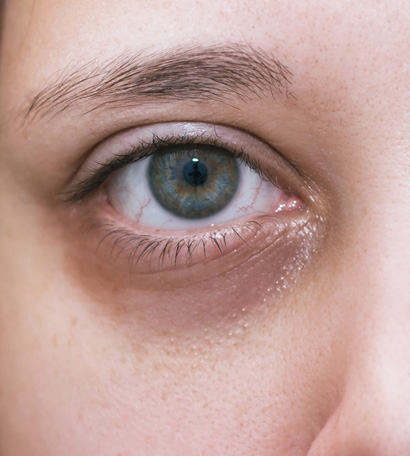
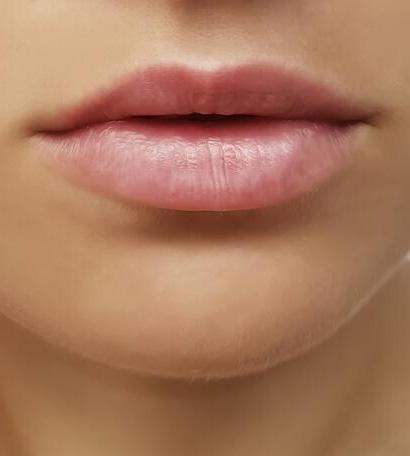
Fillers can enhance thinning lips, restore volume to sunken areas of the face, reduce or eliminate darkening around the upper and lower eyelids, soften or reduce old scars, and fill or soften static wrinkles, particularly in the lower face. Static wrinkles appear around the mouth and along the face and result from the loss of collagen and skin elasticity.
It is important to understand that the face will not change significantly after the first millilitre of dermal filler. Volume loss develops over many years and cannot be restored all at once. The process takes several months, during which lost volume is replenished gradually and in moderate amounts.
What Are the Risks of Dermal Fillers?
Possible side effects following filler treatment depend largely on the type of filler used and the doctor’s level of expertise. Rashes, redness, swelling and haematomas (bruises) are temporary and common reactions. They generally do not pose a problem or cause patient dissatisfaction. Serious complications, such as skin necrosis and blindness, have been reported in a very small percentage of cases and may be associated with a lack of professional expertise.
The Safety of Dermal Fillers
Experts, particularly experienced aesthetic surgeons who have been administering dermal fillers for many years, select proven and safe products, recommend the most suitable options for each patient, and administer them appropriately. It is advisable to undergo a filler facelift at an aesthetic medicine clinic and receive a certificate stating the filler name, expiry date and batch number.
Fillers are a good option for smoothing facial wrinkles and age-related hollows. They can correct facial asymmetry and enhance specific facial features, with excellent results when administered by an experienced medical professional.
For more expert advice, visit Alba Rubra Polyclinic, which specialises in the diagnosis and treatment of ear, nose and throat conditions, as well as minimally invasive aesthetic surgery of the head and neck.
What Is the Difference Between Botox and Dermal Fillers?
Today, we use every available means to combat the signs of ageing, particularly wrinkles. Botox and dermal fillers are often the subject of discussion.
Which should you choose?
Botox and dermal fillers have become widely accepted treatments for wrinkles across almost all age groups. They share one key characteristic: both are administered by injection into specific tissues of the body. Neither fillers nor Botox can be applied using a cream or another cosmetic method.
Before explaining the differences between these two treatments, it is important to understand the main cause of wrinkles.
Ageing Skin?
No. The skin itself is not the main tissue responsible for the formation of wrinkles. Wrinkles are, in fact, the result of changes occurring beneath the skin.
The skin is our largest and one of our most remarkable organs. It consists of several layers, with other tissues located beneath them. The main difference between Botox and fillers is precisely that each must be administered into a different layer or type of tissue.
Botox is suitable for smoothing fine wrinkles around the eyes, between the eyebrows and on the forehead. Dermal fillers, on the other hand, address more pronounced concerns, including deep wrinkles, a sunken or sagging face, and facial unevenness.
Fillers are the foundation, while Botox is the finishing touch — one cannot replace the other.
Facts About Botox and Fillers
When administered by a qualified professional in a reputable medical facility, Botox has a well-established safety profile. It temporarily relaxes the muscles for up to four months, smoothing areas affected by numerous fine wrinkles. It is used on the facial muscles.
Dermal fillers, depending on their composition and density, are injected into the subcutaneous tissue and deeper layers. They can be administered above or below the level at which Botox is used.
Knowledge of Anatomy Is Essential
The anatomy of the tissues determines where each treatment should be administered. We have already mentioned the different tissues and layers and their complexity. For tissues to function, they must receive nutrients and retain the ability to move. This is made possible by the circulatory system, while the central nervous system and its nerves also play a crucial role.
Because blood vessels and nerves run throughout all tissues, a thorough understanding of anatomy and physiology — the science of how tissues function — is essential. Without this knowledge, the use of Botox and fillers can lead to irreversible consequences.
There is no need to emphasise where this knowledge must be acquired, applied and refined through experience.
For more expert advice, visit Alba Rubra Polyclinic, which specialises in the diagnosis and treatment of ear, nose and throat conditions, as well as minimally invasive aesthetic surgery of the head and neck.